How a Window Technician Diagnoses Window Problems: Step by Step
Learn how a professional window technician diagnoses window faults using visual inspection, clamping tests, seal assessment, and hardware checks.
Published: May 27, 2026
6 min read
How a Window Technician Diagnoses Window Problems: Step by Step
A window problem is not always where it first appears. If a window is harder to close, the handle is not necessarily to blame. If you feel cold air, seals do not necessarily need replacing first. And if a window sticks, the cause may lie not only in the hardware but also in a misaligned sash.
Professional diagnostics therefore starts not with guesswork but with systematic inspection. The window technician must first understand what is causing the problem: uneven clamping, worn seals, hardware failure, geometry change, or a glazing unit problem.
This article explains how a specialist diagnoses window faults and why the same symptom in different windows can mean completely different causes.
Why Do Customers Often Misidentify the Problem?
The most common mistake is evaluating only the symptom. For example, if there is a draught, customers often assume seals need replacing. In practice, the cause may be quite different: insufficient sash clamping, misaligned hinges, or malfunctioning hardware.
Similarly with a sticking handle – the problem is often deeper: the mechanism is working under excessive load, the sash is rubbing against the frame, or the window has not been adjusted for a long time. That is why a professional window technician looks for the most accurate solution, not the quickest. Only once the true cause is identified can a decision be made whether window adjustment, seal replacement, hardware repair, or broader diagnostics are needed.
1. Visual Inspection: What Does the Specialist Notice First?
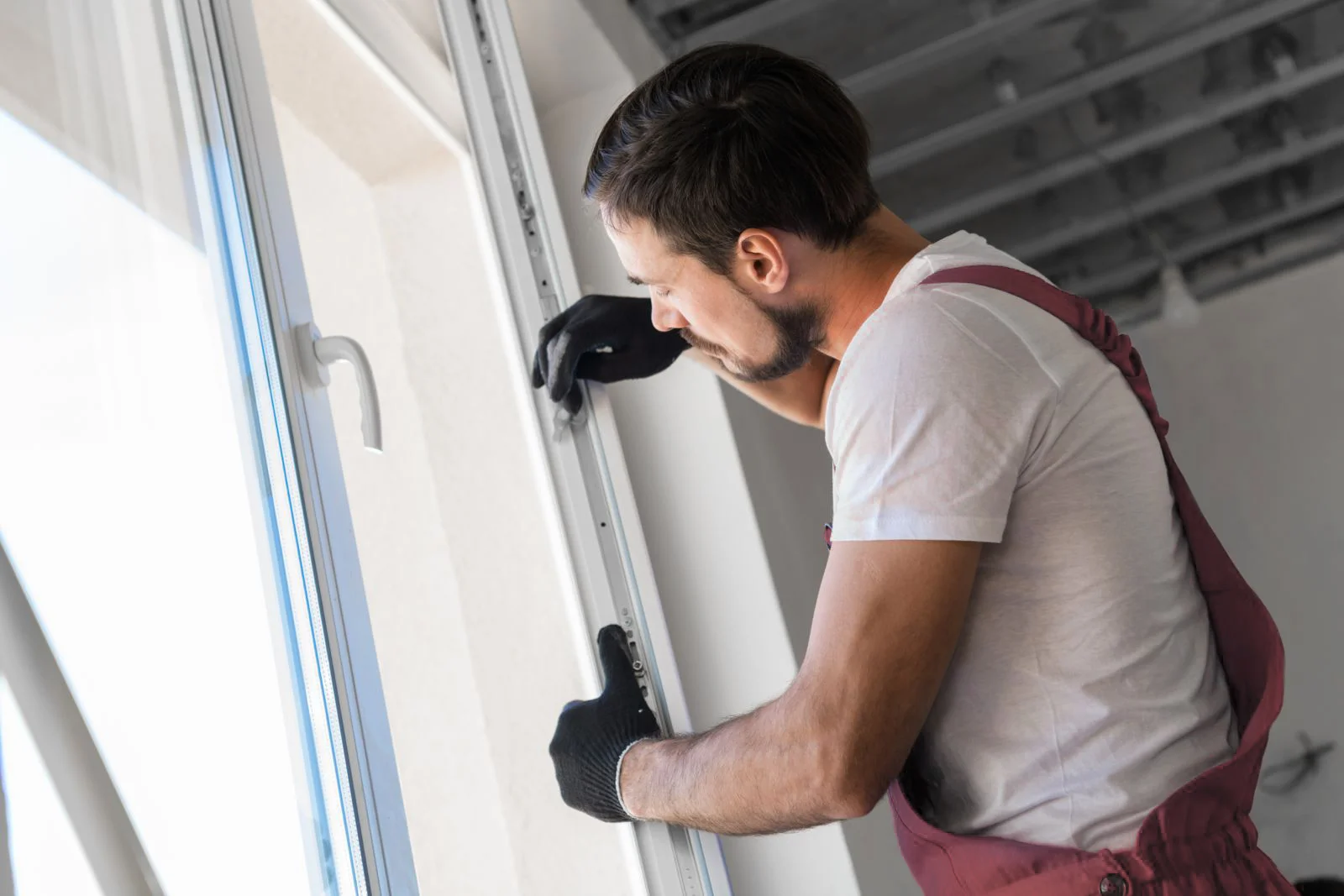
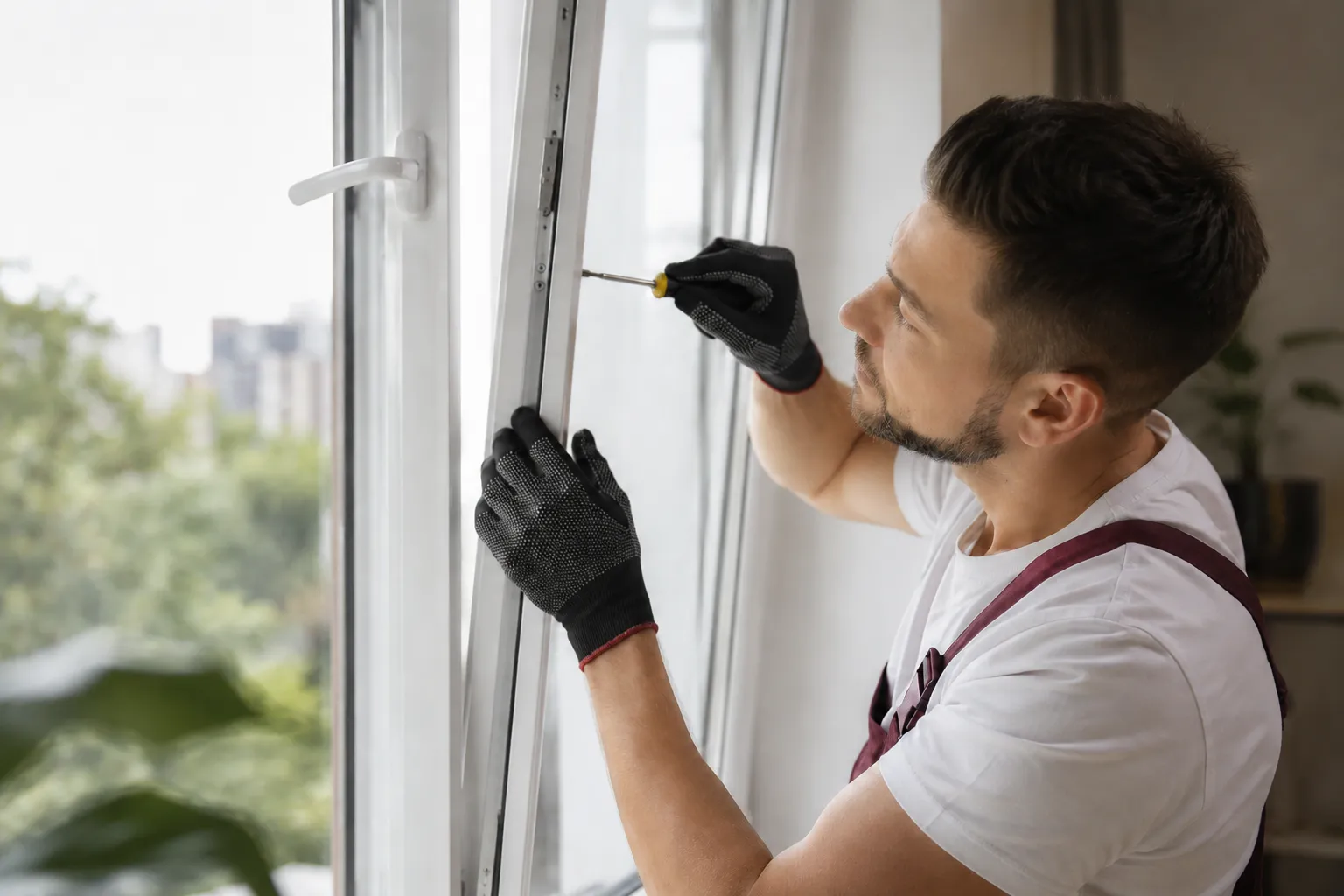
Diagnostics begins with a visual inspection. An experienced technician can often determine within the first few minutes which direction to look for the fault:
whether the sash seats evenly against the frame;
whether the window has sagged;
whether friction marks are visible on the PVC profile;
whether hinges operate stably;
whether extra force is needed to close the window;
whether seals contact the frame around the full perimeter.
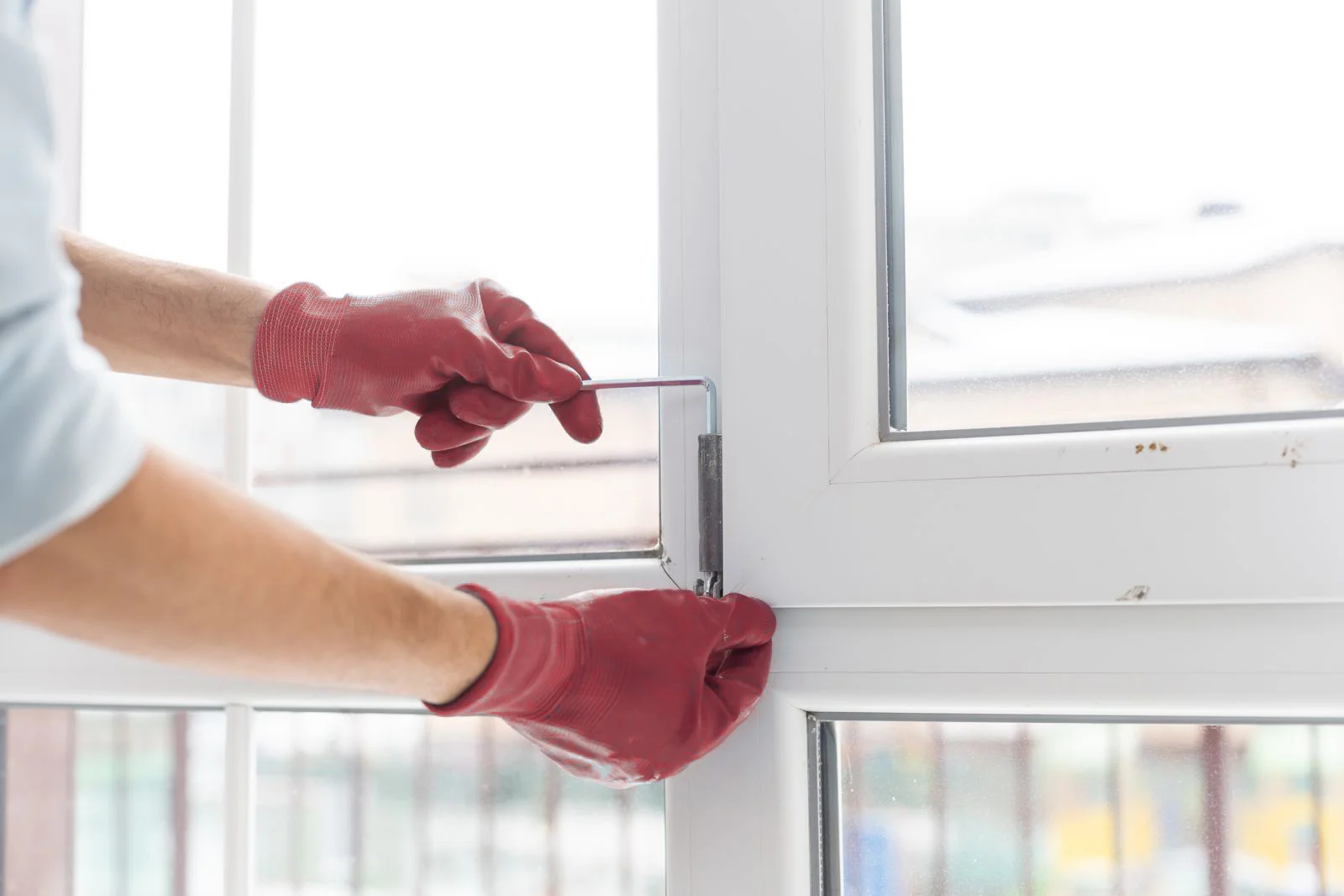
If the window sticks only in one corner, the problem is usually sash sagging or imprecise adjustment. If a gap is visible almost along the entire edge – clamping or seal condition is more commonly checked.
2. How Is Clamping Checked?
Clamping shows how firmly the sash presses against the frame. The simplest method is the paper test: the technician places a sheet of paper between the sash and frame, closes the window, and tries to pull the sheet out. If the paper comes out very easily – clamping is too loose.
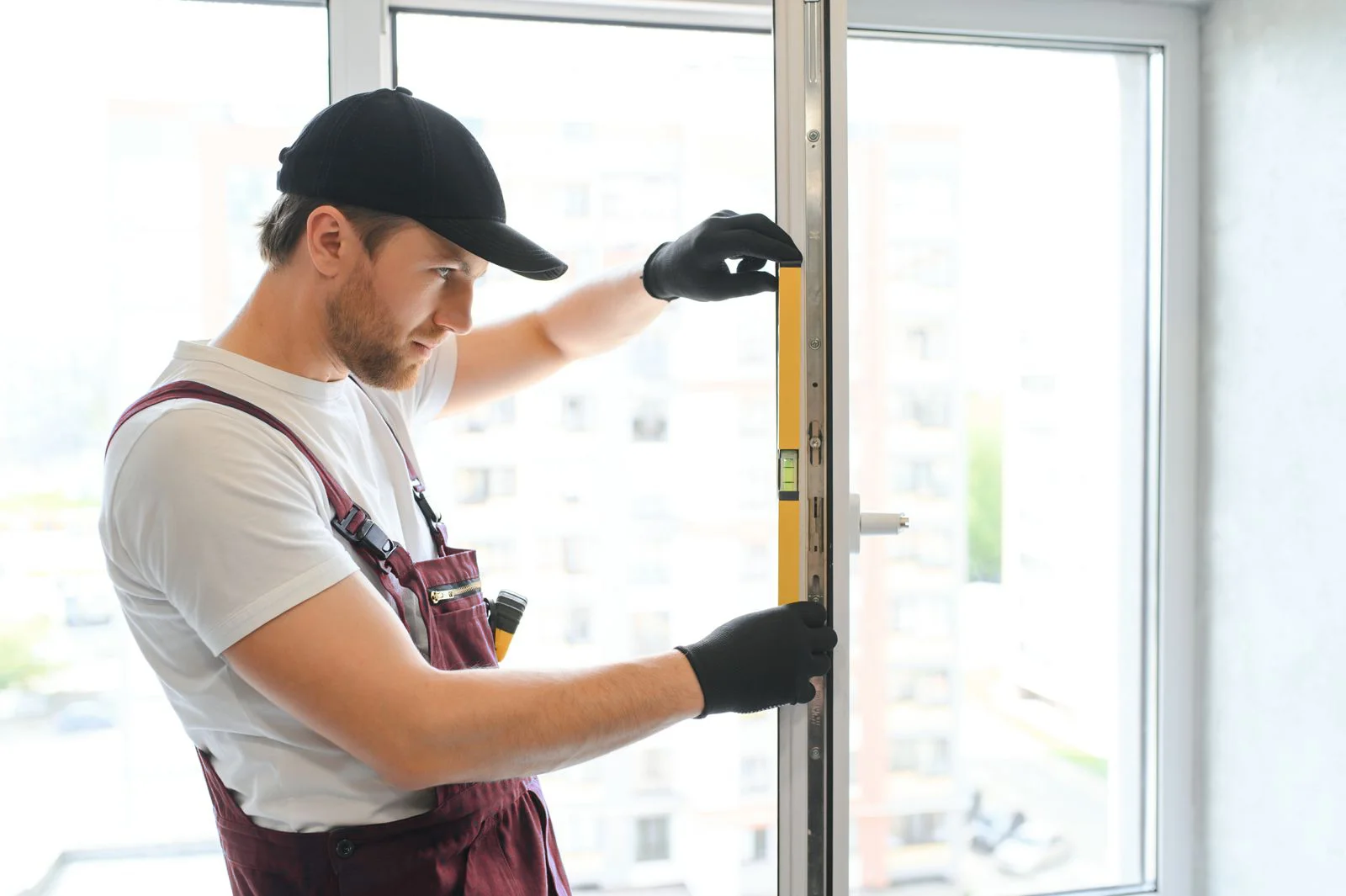
For more precise diagnostics, a special feeler gauge is used. It helps determine whether the gap between sash and frame is uniform at different points. Only after such a check can it be accurately decided whether adjustment will suffice or additional work will be needed.
3. How Is a Seal Problem Identified?
Seals are one of the most common causes of airtightness problems, but their condition must be assessed carefully. The technician checks:
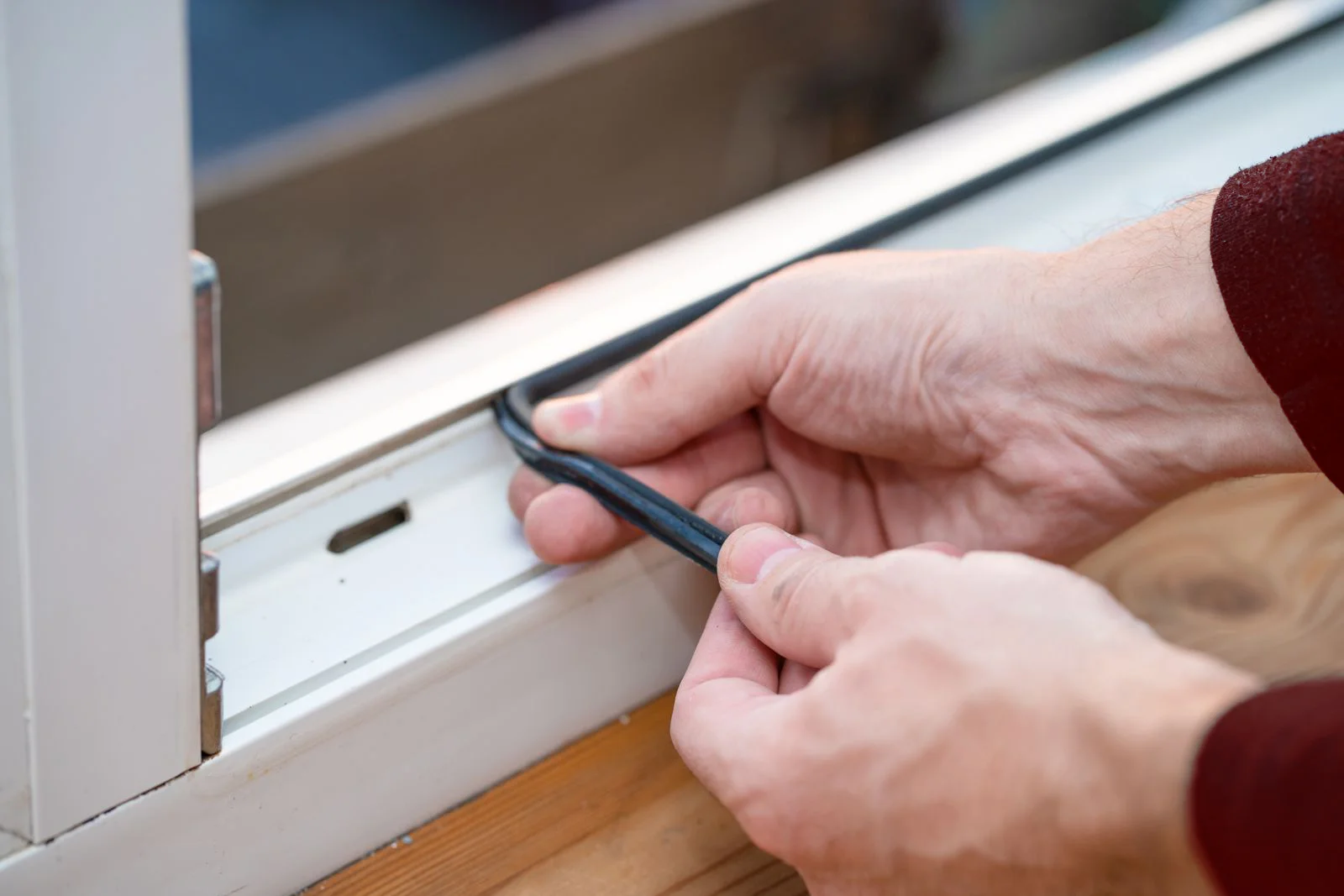
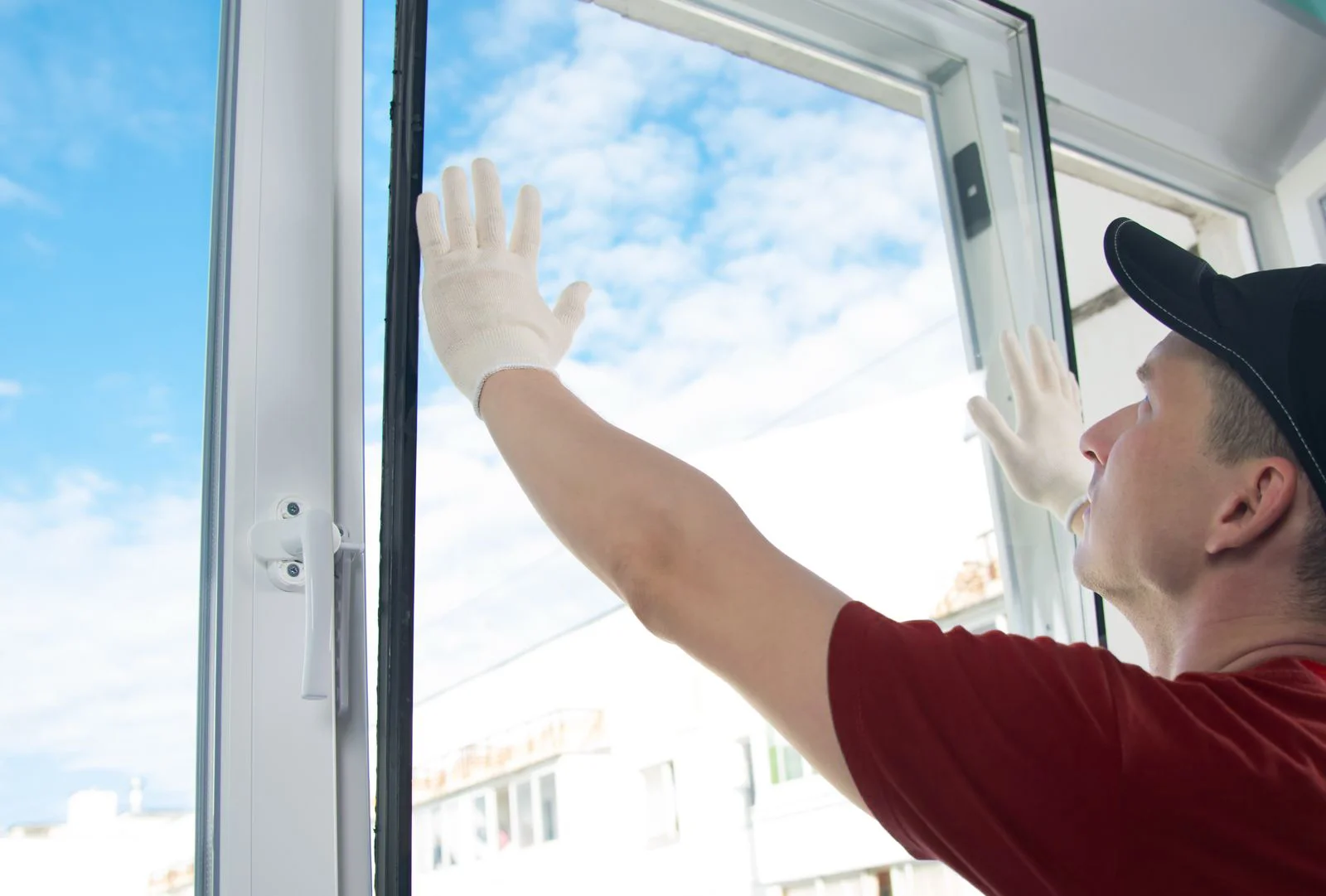
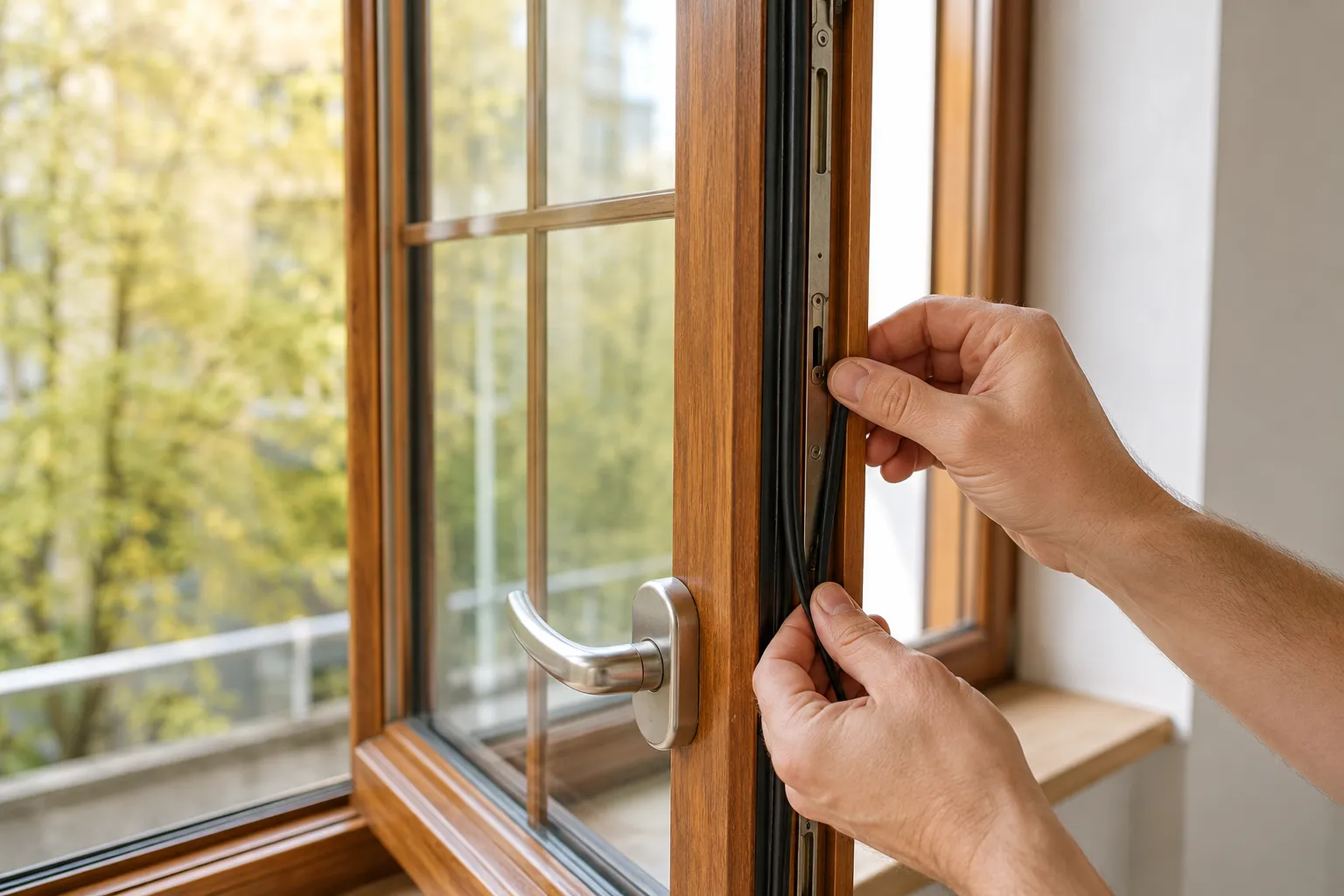
whether the seal is still elastic (a quality seal springs back when pressed);
whether there are cracks or deformations;
whether the seal contacts the frame evenly;
whether there are hardened sections or sections that have fallen out of the groove.
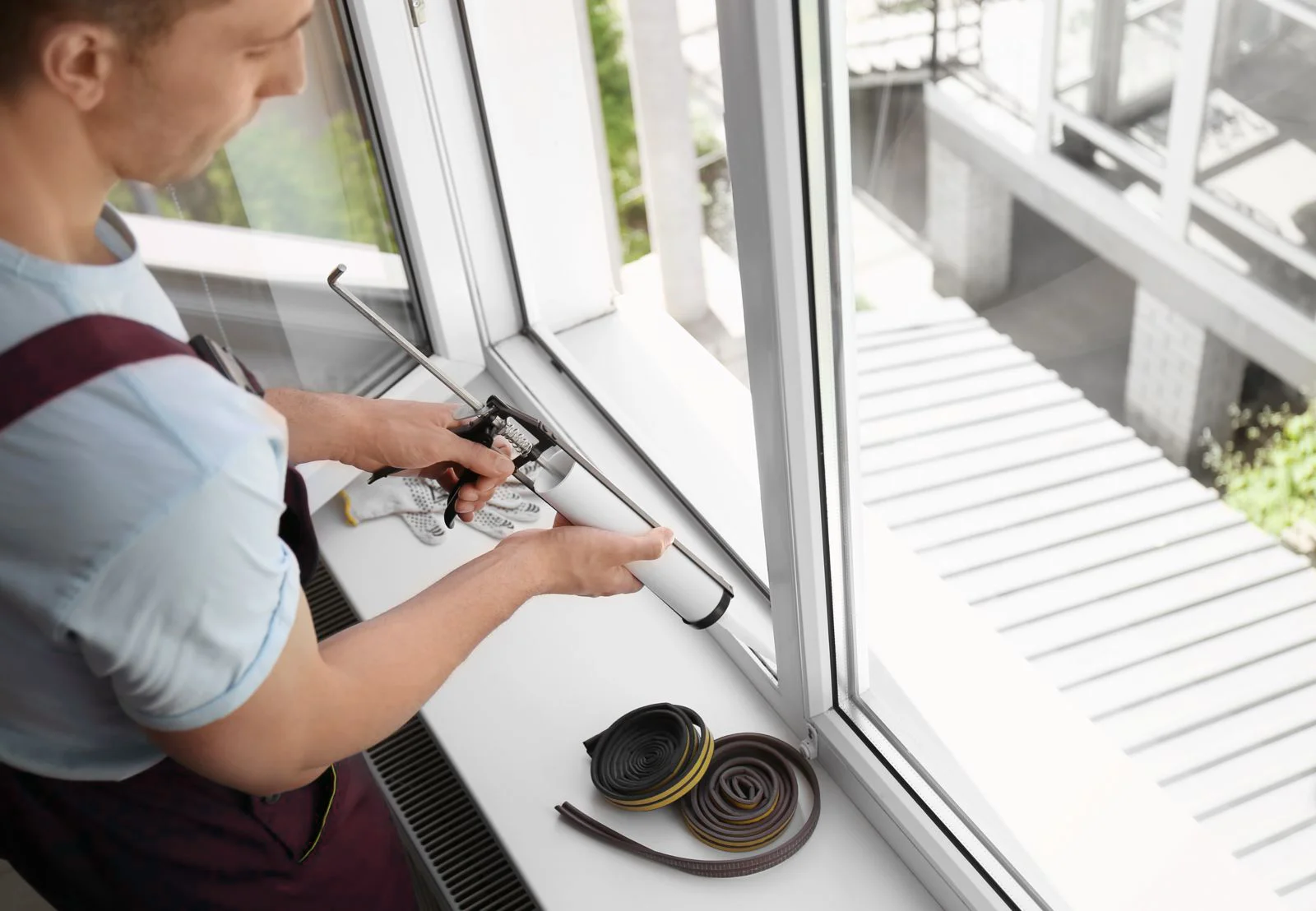
If the seal is hard, cracked, or no longer functional – seal replacement is required. But if seals are still good and the window is still not airtight – the problem is usually in clamping or hardware.
4. How Is a Hardware Problem Identified?
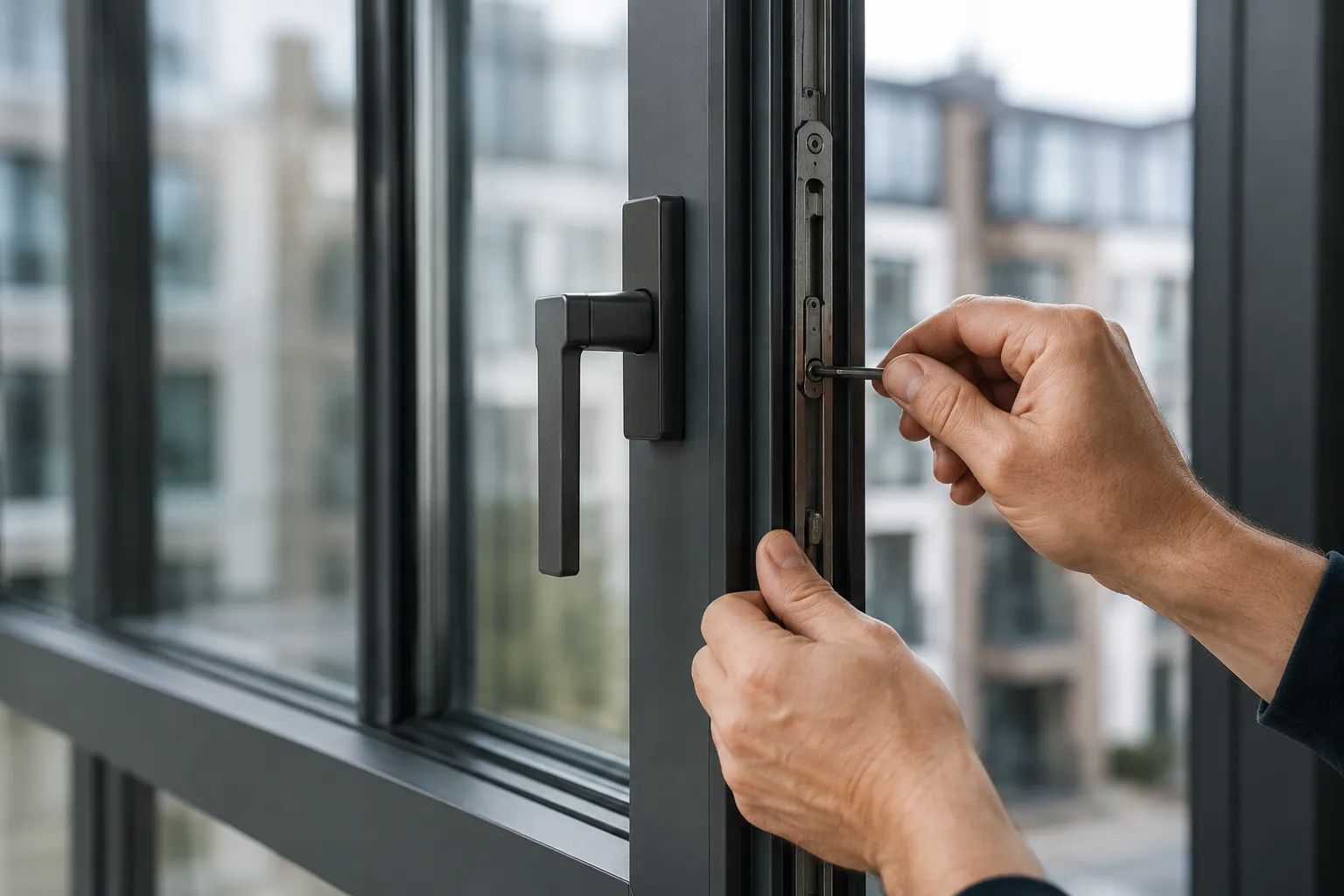
Hardware is responsible for opening, locking, and clamping. Signs of failure: the handle is hard to turn or turns too loosely, the window only closes with extra pressure, the sash bounces off the frame or does not lock fully.
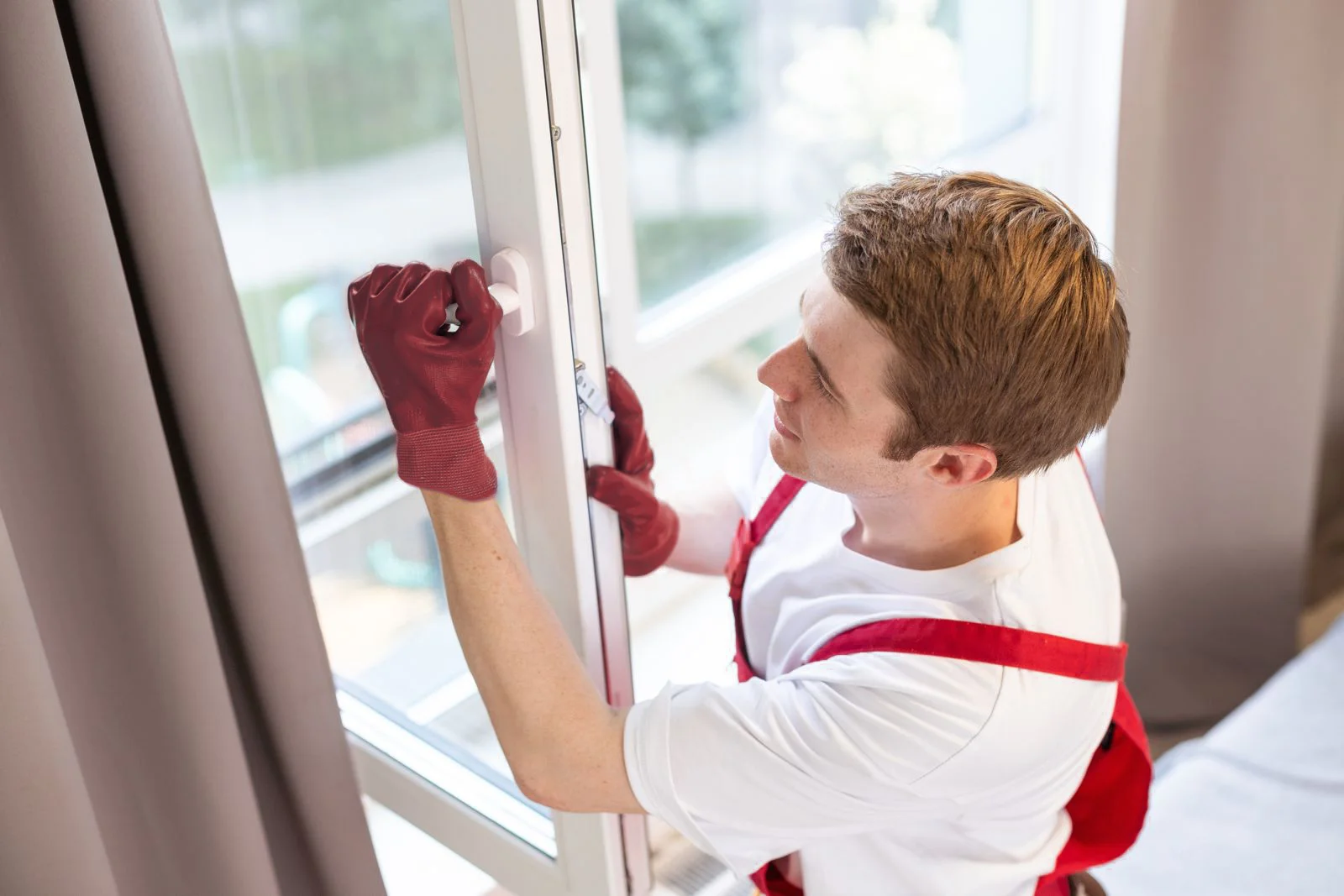
The technician checks not just the handle but the entire mechanism travel. Window mechanisms are assessed in three positions: closed, open, and tilted. Some hardware problems are solved by adjustment and lubrication – full replacement is only needed when parts are heavily worn.
5. What Can Be Understood in the First 5 Minutes?
An experienced specialist can identify the fault group within the first few minutes:
if the window sticks only at the bottom – geometry and hinges are checked first;
if there is a draught in only one corner – clamping is checked;
if the handle sticks in multiple positions – hardware is assessed;
if moisture accumulates between the panes – glazing unit airtightness is checked;
if the window is airtight but moisture accumulates indoors – ventilation is assessed.
6. Why Can Two Apparently Identical Windows Have Different Faults?
Two windows may look identical from the outside but their condition can be completely different. One may be used frequently, the other rarely. One may face south with more sun and temperature swings, the other may be in a damper, cooler room.
This leads to different wear: in one window seals wear faster, in another hardware, in a third problems arise from ventilation. Professional diagnostics therefore cannot be based solely on the most common fault for such windows.
7. Comprehensive Inspection: Drainage, Ventilation, and Additional Elements
Not all window problems originate from the mechanism. Sometimes the cause relates to drainage or ventilation. The technician also checks:
whether there is condensation between the glazing panes;
whether sill and frame joints are not leaking.
8. When Is the Problem Not Actually a Serious Fault?
Not every change in window behaviour signals a serious fault. Sometimes the problem relates to seasonal temperature changes or long-neglected preventive maintenance. For example, after the cold season a window may be harder to close due to changed clamping – adjustment and lubrication often suffice.
Why Is Professional Diagnostics Not a Luxury?
Attempting to fix windows by guesswork often only removes the symptom, not the cause – the problem returns. Professional diagnostics allow precise identification of what is worth repairing, what must be replaced, and where preventive maintenance suffices.
For a long-term result, regular window maintenance is also important. When windows are inspected periodically, window servicing becomes not fault repair but fault prevention.
Conclusion
Window diagnostics is a sequential process assessing clamping, seals, hardware, geometry, drainage, ventilation, and glazing unit condition. The same symptom in different windows can have different causes, so the key is not to guess but to accurately identify the source of the fault.
Book a free diagnostics and window technician consultation.
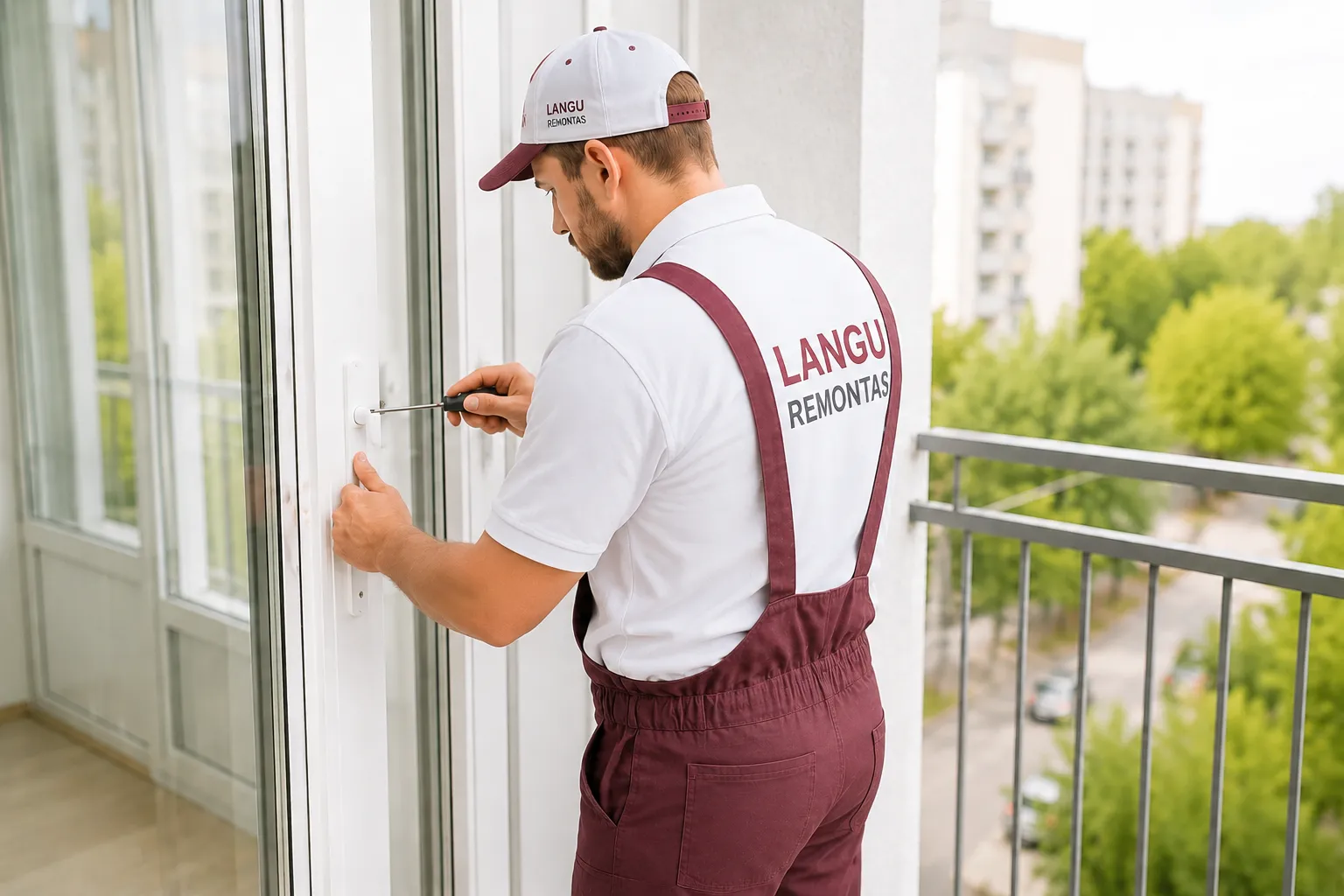
We provide window repair services across Lithuania – working in all major cities, their districts and surrounding towns. We perform plastic window repair, window fixing, window adjustment, window sealing and gasket replacement, ensuring tightness and long-lasting results.
👉 In about 99% of cases we solve the problem on the first visit, and the technician's call-out and full window diagnostics are free of charge.
We perform window repair in Vilnius throughout the city and Vilnius district – in Antakalnis, Fabijoniškės, Pašilaičiai, Pilaitė, the city centre and other Vilnius districts as well as surrounding towns. We solve sealing, adjustment and mechanical issues, carry out plastic window repair and glass unit replacement. We also provide window adjustment and window sealing.
👉 Most often we handle everything on the first visit, and the call-out and window inspection cost you nothing.
We perform window repair in Kaunas and Kaunas district – working in Šilainiai, Dainava, Eiguliai, Žaliakalnis, the city centre and other districts as well as surrounding towns. We fix leaking, stuck or misaligned windows, carry out plastic window repair and gasket replacement. We also provide window adjustment.
👉 In about 99% of cases we solve the problem on the first visit, and the technician's call-out is free of charge.
In Klaipėda we perform window repair throughout the city and Klaipėda district – both in the city itself and in Gargždai and other surrounding towns. Due to the coastal climate, window sealing and window adjustment are often needed, so we help restore window tightness, eliminate drafts and improve home comfort.
👉 We come out free of charge, assess the situation on site and most often solve the problem right away.
We provide window repair services in Šiauliai and Šiauliai district – working in Dainiai, Gytariai, Lieporiai, the city centre and other districts as well as surrounding towns. We carry out plastic window repair, window adjustment and window sealing, quickly resolving both minor and more complex faults.
👉 Most often we handle everything on the first visit, and the call-out and diagnostics are free of charge.
In Panevėžys we perform window repair throughout the city and Panevėžys district – working in Kniaudiškės, Rožynas, Pilėnai, the city centre and other districts as well as surrounding towns. We carry out plastic window repair, window adjustment and gasket replacement, ensuring quality and long-lasting results.
👉 We come out free of charge and most often solve the problem on the first visit.
Original window parts only from trusted manufacturers — that's why we can offer up to 5 years warranty
Frequently Asked Questions
Everything you need to know about our window and door repair services
The simplest method is the paper test: a sheet is placed between the sash and frame, the window is closed. If the paper pulls out very easily – clamping is too loose. For more precise measurement a feeler gauge is used.
The technician checks seal elasticity (a quality seal springs back when pressed), looks for cracks, and checks if the seal contacts the frame evenly. If clamping is normal but there is a draught – the problem is almost certainly in the seals, requiring seal replacement.
Adjustment is often sufficient if clamping is uneven but seals are still elastic and hardware works. If the problem returns after adjustment or seals have hardened – additional work is needed.
We perform a free window inspection and diagnostics. During the window service, the technician evaluates clamping, seals, hardware, and airtightness and provides a specific recommendation.
Yes, the initial inspection and our technician's visit to assess the work are completely free. No hidden fees and no obligations. If you decide to go ahead, the technician will prepare a clear quote on the spot, explain everything to you and, if you agree, can usually do the work right away during the same visit.
Of course. We provide a warranty both for the work carried out and for the materials used, in line with the laws of the Republic of Lithuania.
The price depends on the type of window, the issue, and the materials needed. When the technician arrives, they give you an exact quote on site with no hidden charges, and you decide yourself whether you want to proceed with the repair.
Yes, our window service operates all over Lithuania: in Vilnius, Kaunas, Klaipėda, Panevėžys, Šiauliai and other cities and towns.
Booking a free visit is very simple. Just give us a call or fill in the online booking form – in both cases it only takes a few minutes.
In most cases repair is enough: replacing seals or mechanisms, improving insulation, adjusting the fittings, cleaning and lubricating the hardware. This is usually much cheaper than installing brand new windows.
Repair is cheaper, because you don't have to buy new windows, remove the old ones, dispose of them or redo the interior finishes afterwards. Repair saves both time and money and is significantly more cost‑effective.
We work with all major brands: Rehau, Veka, KBE, Schüco, Salamander, Aluplast and many others. Our technicians are trained to work with the specific mechanisms used by each manufacturer.
Yes, you can pay by all major bank cards, by bank transfer or in cash. Payment is made after the work is completed.
Yes, we provide services all year round. In winter we use specific methods so that the room doesn't get cold during the work and your comfort is kept to a maximum.


 Window Repair in Vilnius
 Window Repair in Kaunas
 Window Repair in Klaipėda
 Window Repair in Šiauliai
 Window Repair in Panevėžys