How often windows need to be adjusted
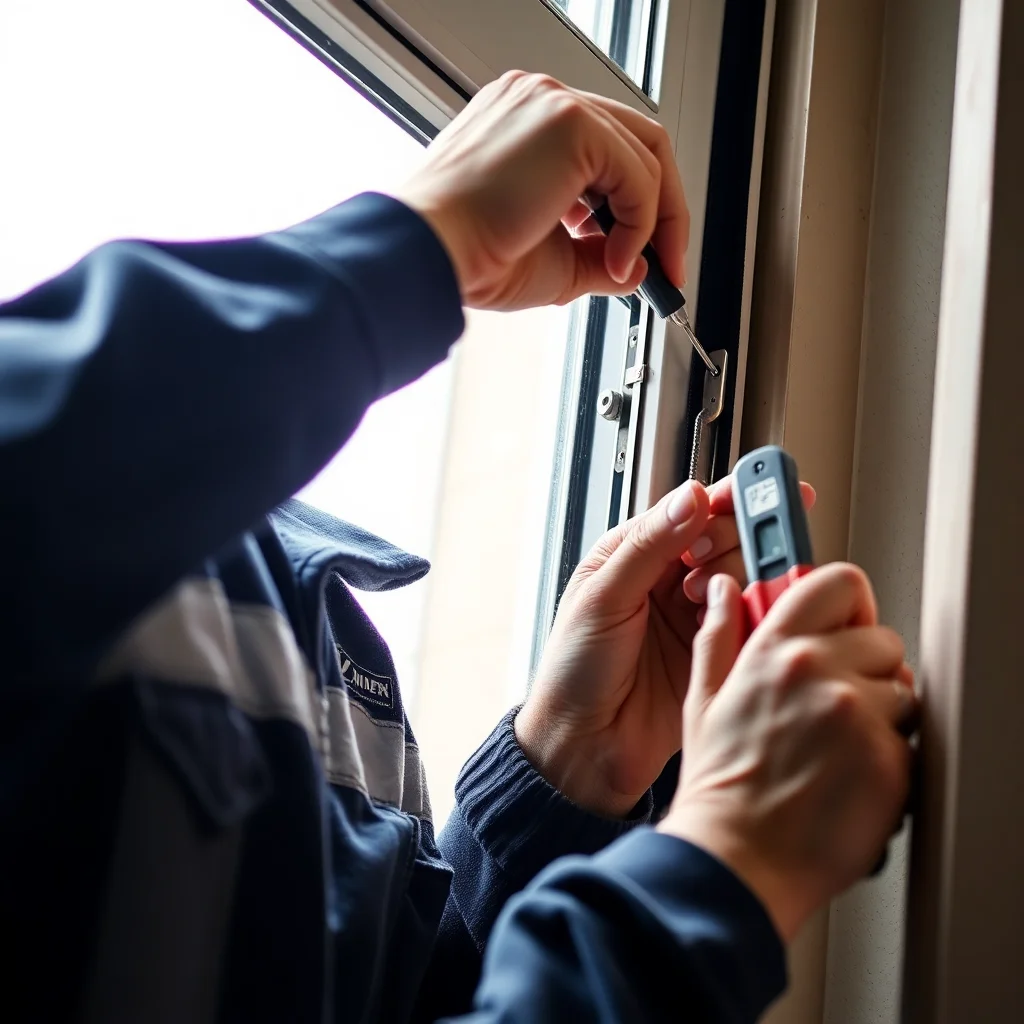
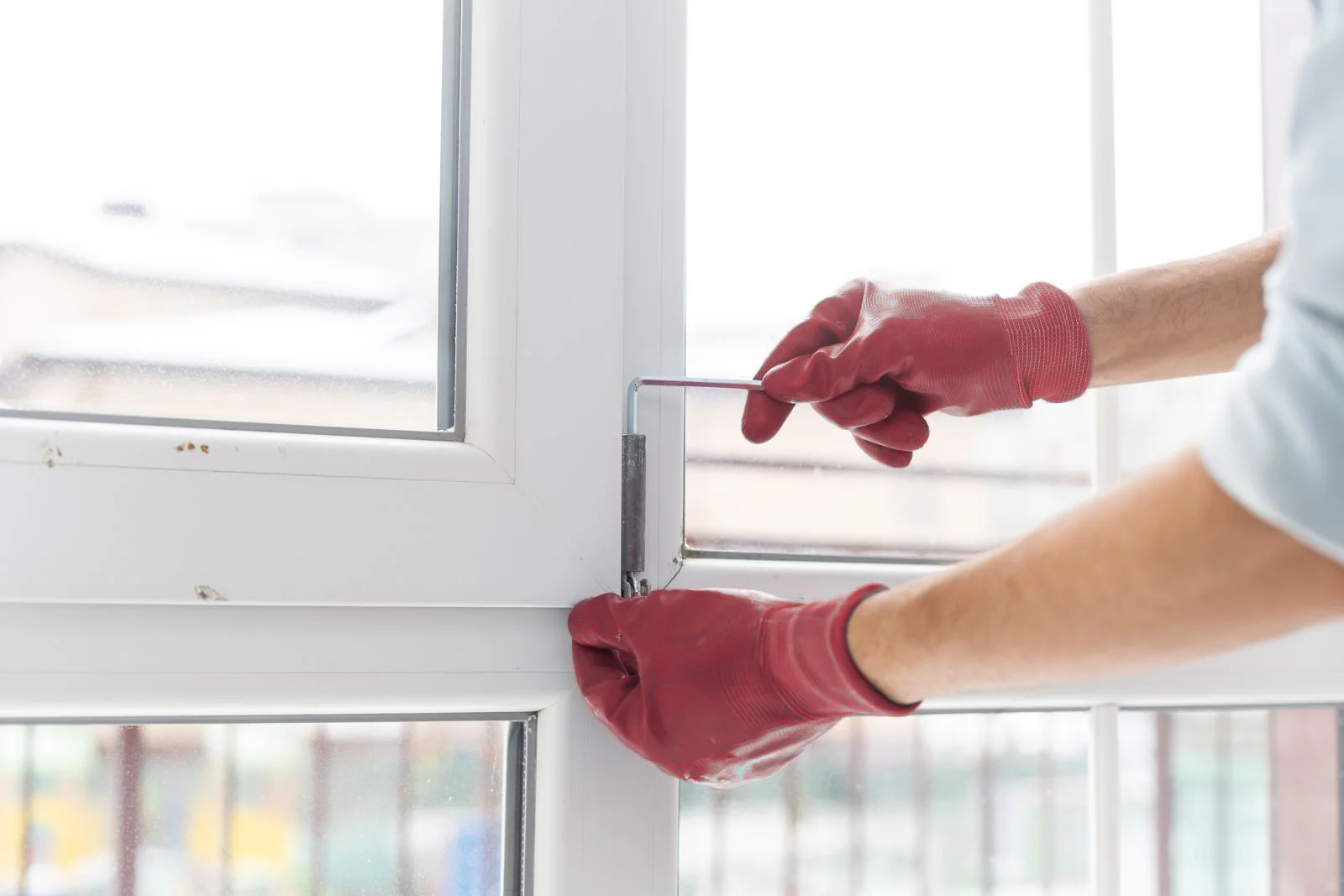
Window manufacturers and maintenance specialists recommend adjusting windows at least twice a year — in spring and in autumn. That cadence follows the seasonal temperature swings that directly affect the window profile, gaskets and hardware.
Spring adjustment prepares the windows for summer temperatures and reduces mechanical load, while autumn adjustment ensures maximum tightness before the heating season begins.
When more frequent adjustment is needed
The standard twice-a-year cycle isn't always enough. More frequent checks and adjustments are recommended in the following cases:
In newly built properties, natural settling of the structure during the first year can shift window geometry more quickly — a check every three or four months is worthwhile.
In buildings where windows are used intensively — offices or public spaces — adjustment may be needed every three months.
In buildings next to busy streets or industrial areas, ongoing vibration gradually affects hardware stability.
Coastal properties are exposed to more humidity and salt, so an extra inspection after the season is recommended.
Signs that your windows already need adjusting
Even without a strict schedule, you can assess window condition from certain signals. The most common signs that windows have slipped out of adjustment are stiff operation, the sash catching on the frame, a stuck handle, audible creaking, a noticeable draft, or increased condensation.
You can also run a simple tightness test. If a sheet of paper placed between the frame and the sash pulls out easily when the window is closed, the seal pressure is insufficient.
Summer vs. winter modes
Modern windows allow you to change the sash pressure depending on the season. In winter mode the sash is pressed more firmly against the frame, reducing heat loss and drafts. In summer mode the pressure is reduced so gaskets aren't overloaded and stay elastic.
Leaving the wrong mode set for long periods can shorten the life of the gaskets and increase wear on the hardware.
Window material and adjustment needs
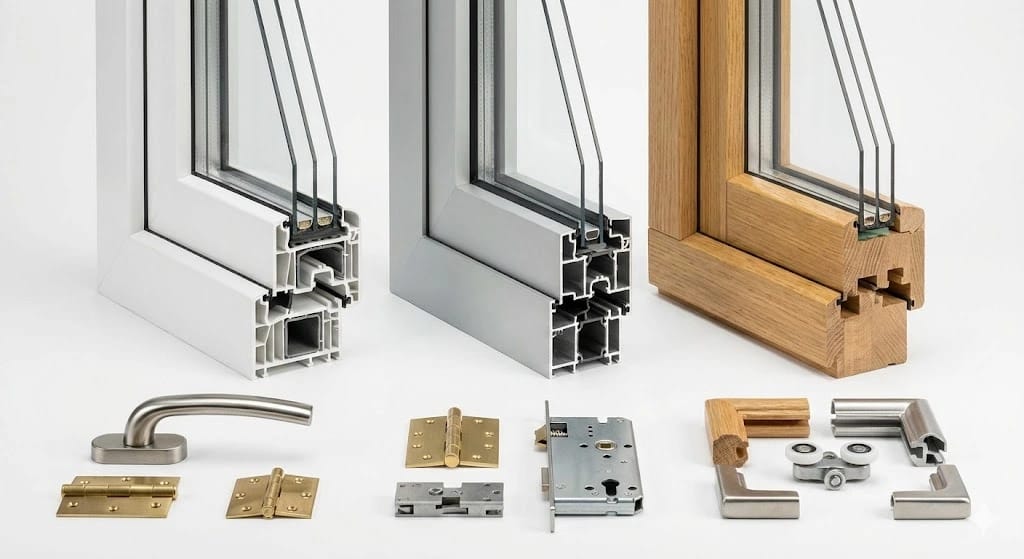
How often windows need adjusting also depends on the frame material. PVC windows are the most sensitive to temperature changes and need adjusting more often. Wooden windows react to humidity swings and also require regular checks. Aluminium windows are the most stable and usually need adjusting the least.
Regardless of the window type, every system needs regular hardware maintenance and clean mechanisms.
What else is worth doing alongside adjustment
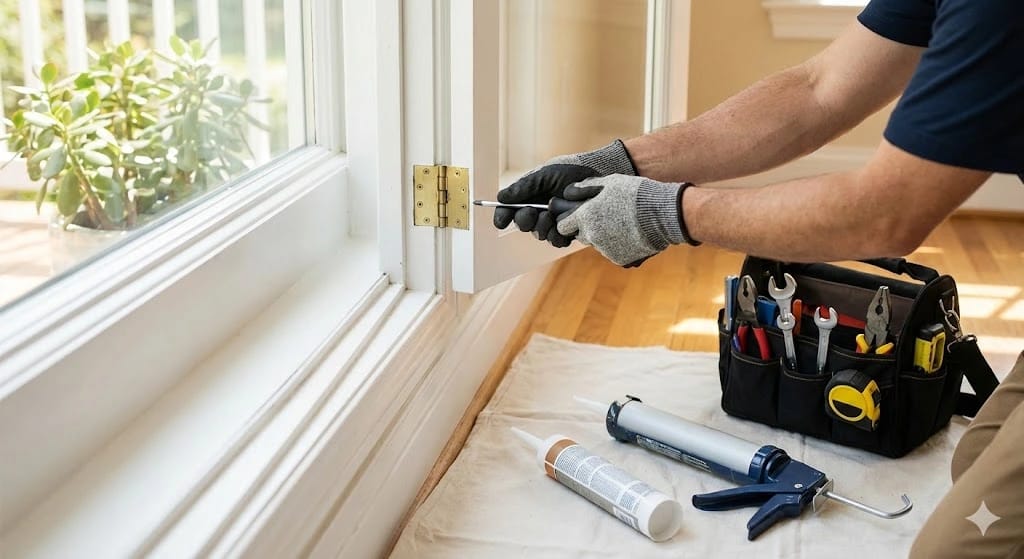
Window adjustment should be combined with other maintenance tasks. We recommend periodically lubricating moving hardware parts with technical oil to reduce friction and prevent corrosion. It's also important to care for the rubber gaskets — clean them and apply silicone products that help preserve their elasticity.
Don't forget to check the drainage openings at the bottom of the window frame. If they become blocked, water can pool inside the frame and cause further problems.
When to call a professional
While many people can handle simple window adjustment themselves, professional help is required in certain cases. Call a specialist when standard adjustment no longer works, the sash has dropped significantly, the hardware is damaged, or the glazing unit position needs correcting. It's also a good idea to contact a specialist if the manufacturer's warranty still applies to your windows.
Conclusion
Regular window adjustment is an essential part of home maintenance — directly tied to energy efficiency, comfort and the lifespan of your windows. A twice-yearly inspection, combined with ongoing monitoring and proper care, prevents serious failures and larger expenses down the road. Well-maintained windows keep your home warm, quiet and comfortable all year round.